Elevate Your Home With Professional Design Services
Advancing a home through professional architecture services involves more than just aesthetics. It involves a deep understanding of usable design and local building codes. Engaging an veteran architectural professional can tackle everyday obstacles while strengthening property equity. The process is strategic and exhaustive, guaranteeing that every detail aligns with the homeowner's expectations. Yet, many homeowners encounter challenges to progress through this journey effectively. What steps can they take to secure a successful partnership?
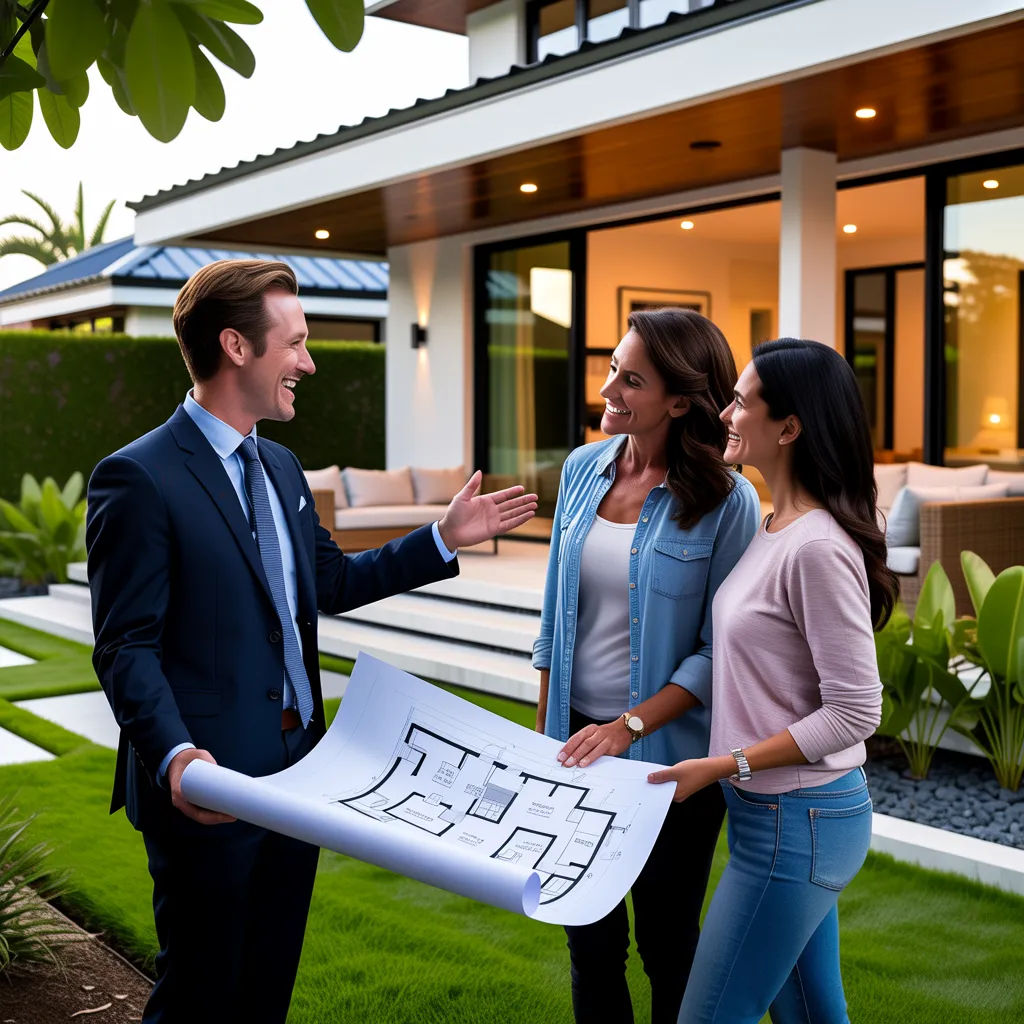
Standard Home Design Dilemmas and Strategies Architects Tackle Them
Why is home design so demanding for numerous homeowners? The challenge of aligning design preferences with functional demands often overwhelms them. Homeowners regularly contend with spatial constraints, financial constraints, and compliance requirements, making the design process difficult. Additionally, many are short of the specialized skills required to manage building considerations and building codes.
Architects serve as an essential role in mitigating these challenges. Their education prepares them to navigate the complexities of planning, guaranteeing that a homeowner's vision aligns with practical realities. Architects can provide creative solutions to maximize space while adhering to security standards. They also assist in creating unified designs that reflect the property owner's style. By providing insights into resources and building methods, architects aid simplify the decision-making process. Ultimately, their expertise converts a possibly daunting undertaking into a collaborative journey, promoting a balanced balance between innovation and practicality in home design.
Reasons to Work With a Professional Architect
Working with a seasoned professional improves the house design undertaking by blending specialized expertise with the client's objectives. Architects provide a wealth of experience in design concepts, building codes, and environmental methods, confirming that the initiative not only reaches design outcomes but also adheres to regulations. Their ability to visualize and present complex ideas facilitates converting intangible notions into concrete deliverables.
Furthermore, architects can provide innovative approaches to spatial challenges, perfecting layout and functionality. They also coordinate the intricacies of the construction phase, working with contractors and suppliers to copyright finances and schedules are adhered to. This professional direction curtails mistakes and reduces the worry inherent in home construction or renovation. In conclusion, engaging with an architect achieves a well-crafted, unified space that reflects the homeowner's personality while advancing overall property worth.
What Form the Necessary Components in the Architectural Process?
How does the building design process develop from initial idea to completion? The process begins with an initial consultation, where the architect and client discuss goals, needs, and budget. This stage is crucial for establishing a distinct direction. Next, the architect conducts site analysis, assessing factors like topography, weather conditions, and zoning regulations.
Next, the design phase begins. During this time, preliminary drawings and digital representations are generated, allowing the client to visualize the project. After the design is finalized, the architect puts together comprehensive technical documents, including specifications and drawings.
With necessary permits secured, the project enters the construction phase. The architect often works with contractors to ensure that the plan is executed correctly. Regular on-site inspections and assessments help preserve standards and compliance to the initial vision. Finally, the project culminates in a walkthrough, confirming that the completed structure satisfies the client's expectations before the official handover.
How Can You Discover the Best Architect for Your Home?
Locating the ideal designer for a home involves careful consideration and research. Potential property buyers should begin by establishing their specific needs and budget, which will direct their search. Recommendations from acquaintances, loved ones, or property experts can find the information provide valuable leads. Online collections of work and testimonials assist with evaluating an designer's past work and customer satisfaction.
Next, potential clients should interview various candidates to evaluate their communication style, background, and design approach. It's vital to discuss project parameters and timeline expectations to guarantee alignment. Moreover, confirming qualifications and verifying appropriate certifications and licenses can prevent subsequent difficulties.
Ultimately, property owners should follow their instincts. The ideal architect should not only demonstrate the necessary skills but also align with the homeowner's aspirations and values. This synergy establishes a productive atmosphere, in the end producing a strong collaboration in constructing a dream home.
Strategies for Sharing Your Vision Clearly
Effectively communicating a vision for home design is essential for a fruitful collaboration between property owners and architects. To achieve this, homeowners should begin by clearly outlining their requirements and tastes. Developing a mood board with images, hues, and finishes can assist in conveying aesthetic preferences. Additionally, outlining practical specifications, such as room size and floor plan, ensures that the architect understands functional elements.
Home owners should also take part in candid conversations, promoting inquiries and input to refine their concept. Frequent discussions throughout the design process promote teamwork and openness. Employing straightforward language to express ideas and concerns can avert confusion and help align goals.
In conclusion, embracing the architect's skills facilitates a more dynamic exchange of ideas. By uniting personal vision with professional insight, homeowners can build a constructive relationship that produces a beautifully designed space embodying their aspirations.
Ways to Set aside money for Architecture Professional work
During the initiation of a home design project, fixing a budget for architecture services is crucial to prevent financial strain later. Homeowners should begin by examining typical fees in their area, which can vary based on the project's complexity and the architect's experience. It is prudent to allocate a percentage of the overall project cost specifically for architectural services, typically ranging from 5% to 15%.
Next, customers should consider the range of offerings required—whether they require full design and project management or just preliminary discussions. Having transparent conversations with potential architects about their pricing models can offer insight on expenses.
Additionally, property owners should account for unexpected expenses and potential revisions, establishing a financial reserve in the budget. By explicitly outlining their monetary limits upfront, clients can ensure they choose an design expert who reflects their vision while adhering to their financial limits.
Popular Questions Posed Often
What Forms of Architectural Are Accessible for My Home?
Homeowners can choose from multiple architectural styles, such as modern, traditional, colonial, Mediterranean, and contemporary. Each style offers unique visual appeal and practical features, allowing individuals to express personal taste while considering regional influences and environmental factors.
How Much Time Does the Structural Design Process Typically Need?
The architectural undertaking typically takes many months, contingent upon project complexity, approval processes, and local regulations. Elements such as client feedback and project timelines can also affect the timeline considerably during the entire process.
Can Architects Offer Guidance With Environmental Design Possibilities?
Architects can clearly assist with sustainable design options. They include sustainable materials, energy-efficient systems, and creative designs, ensuring projects minimize environmental impact while boosting functionality and aesthetic appeal, aligning with clients' sustainability goals effectively.
What Skills Can I Look for in an Architectural Expert?
When selecting an building designer, one should review their education, certification, experience in relevant projects, body of work reflecting their design philosophy, and understanding of local regulations. Communication skills and references from past clients also matter greatly in the decision-making process.
What Method Do Building Designers Take to Tackle Zoning and Permit Concerns?
Architects address regulatory challenges by performing comprehensive analysis on regional requirements, preparing necessary documentation, and liaising with municipal authorities. Their proficiency ensures adherence, streamlining the approval process for client projects effectively.